


di Giovanni Zambito - Il tenore americano John Osborn ci guida nel cuore di Benvenuto Cellini di Berlioz: un ruolo estremo che unisce virtuosismo vocale, sbalzi emotivi e la gioia di interpretare un artista tormentato, in scena all'Opera La Monnaie di Bruxelles dal 28 gennaio al 1° febbraio 2026. In questa intervista concessa a Fattitaliani rivela le sfide tecniche, il legame personale con il personaggio e perché quest'opera rara parli ancora oggi di creatività sotto pressione.
Benvenuto Cellini è un ruolo vocalmente e teatralmente impegnativo. Secondo Lei, quali sono le principali sfide di questo personaggio, e come le affronti tecnicamente e interpretativamente?
Per me, Cellini è stata un'avventura entusiasmante, imparando a fondo il ruolo sia vocalmente che teatralmente. Berlioz in generale offre ogni stile francese in questa partitura massicciamente complessa, inclusi opéra-comique, operetta, grand opéra francese, romanticismo, in una composizione che non smette mai di crescere e svilupparsi, gonfiandosi fino a picchi di decibel altissimi e placandosi quasi in art songs melodiche. Serve una flessibilità per cantare assolutamente pianissimo con dolcezza, e un attimo dopo cantare a voce piena e eroica. Cellini è un personaggio con molti sbalzi d'umore, che sembra calmarsi solo al pensiero della sua dolce Theresa, o di una buona bottiglia di vino. Un artista che interpreta un artista è sempre una sfida. Questo pezzo mostra la gioia e la bellezza poetica dell'arte, oltre alle reali pressioni per consegnare un'opera commissionata entro una scadenza.
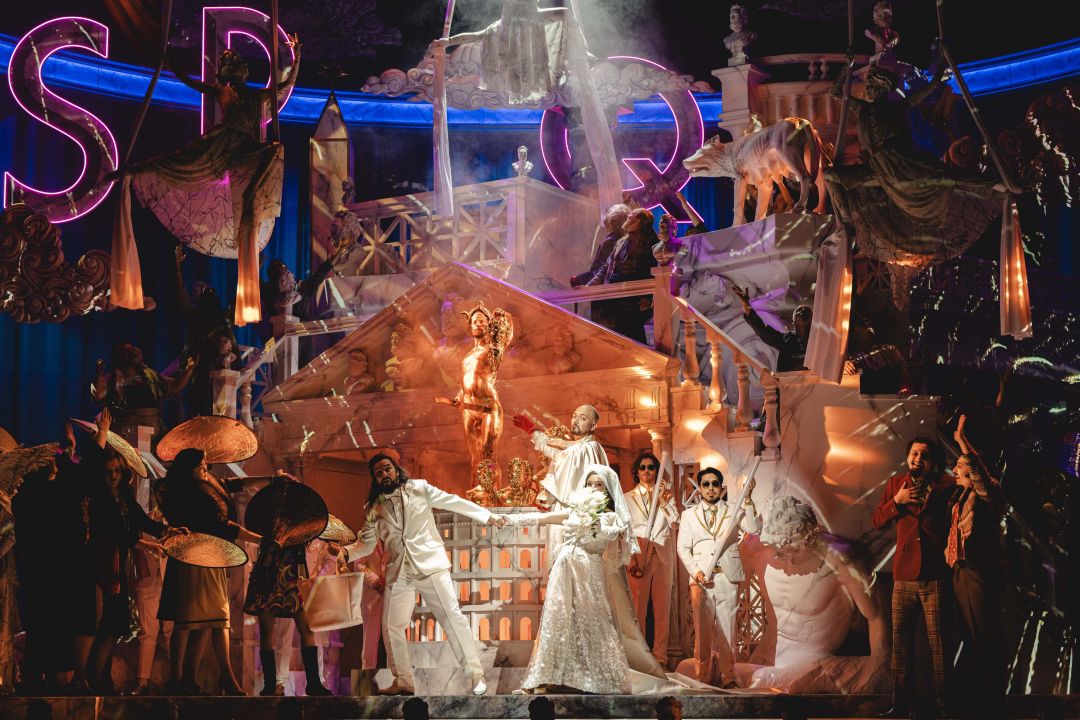
La musica di Berlioz combina passione, ironia e slancio eroico. Come bilancia questi elementi nel tuo canto senza perdere spontaneità?
Fortunatamente, ho già molta esperienza con quest'opera. Scopro che meno mi preoccupo degli aspetti vocali, più posso concentrarmi sull'interpretazione drammatica di questo tipo selvaggio e pazzo. Così eccitato per il Carnevale che sta già festeggiando per le strade, sempre a scherzare, prendendo in giro ciò che accade intorno, stuzzicando amici e nemici. Presto lo vediamo sedurre la sua ragazza, convincendola che fuggiranno il giorno dopo durante il Martedì Grasso verso la bella Firenze. È sensuale e seducente, rapidamente sconvolto e indignato al pensiero che lei possa finire tra le braccia del rivale Fieramosca, e ancora spaventato dall'essere sorpreso dal padre di lei, Balducci, che potrebbe tornare a casa da un momento all'altro. Scappa, come sempre riesce a fare con astuzia, e si incontrano quella notte, dove il piano inizia a concretizzarsi. Più tardi quella sera, assistono a uno spettacolo in piazza, e qualcosa va seriamente storto. Uccide accidentalmente un giovane, ma nel caos, travestito da monaco, scappa di nuovo nel suo studio. Trova Theresa e il suo protettore Ascagne, e racconta come è sfuggito e arrivato lì. Vuole partire subito, ma gli ricordano la statua da completare. Segue un duetto romantico ma giocoso, arriva Balducci accusando Cellini di aver rapito sua figlia, arriva Fieramosca, causando caos e malizie. Poi arriva il Papa stesso, lo accusa di essere un demone e lo costringe a finire la commissione quella sera, o gli taglierebbe la testa per tutti i suoi crimini. Sentendosi potente, Cellini minaccia di distruggere l'opera intera, poiché nessun altro potrebbe completarla. Sotto pressione per consegnare Perseo e la testa di Medusa, quasi si ritira in un sonno profondo con il desiderio febbrile di scappare e diventare un semplice pastore. Ma ripresosi, riesce miracolosamente a mantenere la promessa, e finisce felicemente. Onestamente, non so se ho risposto alla tua domanda, ma puoi vedere quanto sia coinvolto e incredibilmente complesso questo personaggio. Posso dire di averlo gestito piuttosto bene.
Cellini è sia un brillante artista che un uomo impulsivo. Come ha affrontato il suo lato umano, oltre la figura storica e leggendaria?
Rendendo conto che si basa su una persona storica, era un amante e assassino notorio, non solo uno, ma voleva solo abbastanza denaro per vivere liberamente, lontano dal rumore della città, vivendo pacificamente e felice nella campagna toscana. Devo dire che io stesso, dopo oltre 32 anni di viaggi, sempre sotto pressione per dare interpretazioni completamente controllate, cantate magnificamente, senza perdere note alte, e a volte molto sfidanti se non assurde, non mi dispiacerebbe una vita tranquilla e semplice. Stare in una bella casa in un clima incantevole, non preoccuparsi più delle pressioni delle aspettative, altrui o mie, dei rigori dei viaggi e dell'essere costantemente lontano da casa e dai cari, ora nella mia vita è un obiettivo estremamente attraente. Mi rendo conto di avere ancora molte responsabilità per continuare a offrire molte altre performance sotto le stesse pressioni e aspettative, e ne sogno e ne parlo costantemente in questi giorni. Ecco Cellini!
Lei è rinomato per il tuo vasto repertorio nel belcanto e nell'opera francese. In che misura Benvenuto Cellini rappresenta un punto d'incontro tra questi due mondi vocali?
Beh, penso di aver imparato a cantare alto e leggero, forte ed eroico, con rabbia e passione, molto Rossini che ha aiutato con l'agilità e a volte a prendere un respiro rapido senza perdere tempo. All'inizio della carriera ho cantato mélodies francesi, e ho debuttato con il mio primo ruolo francese, Tonio nella Fille du Régiment. Mi sono spostato in altri grandi ruoli francesi come Romeo, Des Grieux, Werther, Hoffmann, ho esplorato molto Meyerbeer, Auber, Bizet e Berlioz, imparando stili francesi diversi, mantenendo ruoli di Donizetti e Bellini nel repertorio attivo per tenere la voce in salute e fare ciò che può ora. È grazie al duro lavoro e alla grazia di Dio che canto ancora così.
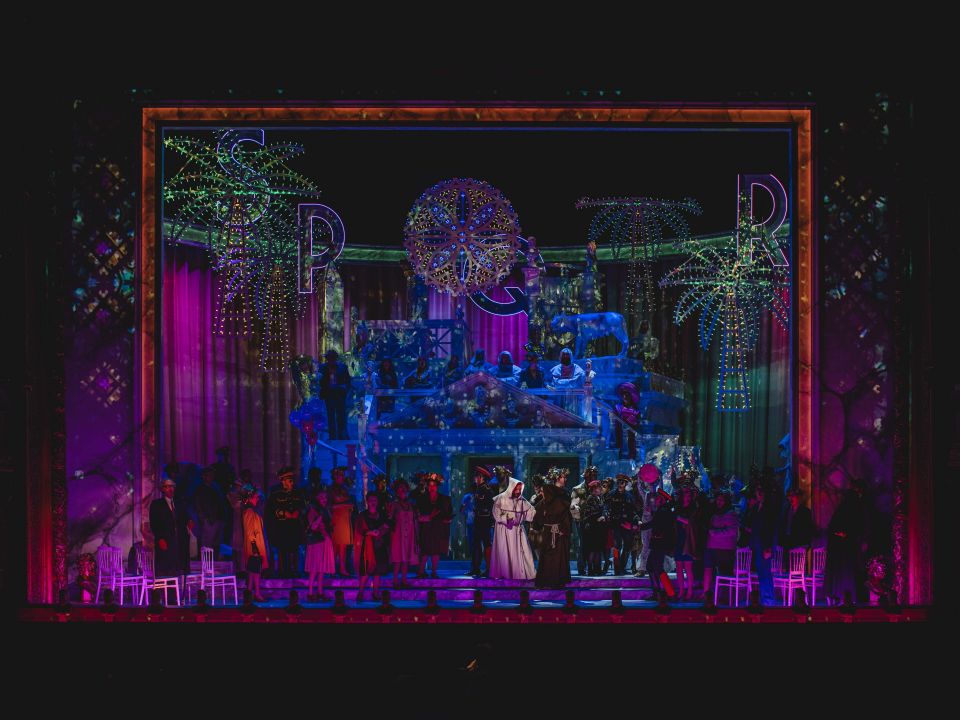
L'opera include scene corali su larga scala, piene di energia. Com'è stato lavorare con il direttore Alain Altinoglu e il regista Thaddeus Strassberger in questi momenti spettacolari?
Il Maestro Altinoglu è sempre stato molto attento a garantire che i solisti, in mezzo a tutto questo moto costante e scene a volte caotiche, fossero sempre udibili. Allo stesso tempo, Thaddeus ha fatto un lavoro ingegnoso per assicurarci visibilità e udibilità. Le luci e gli effetti video sono spettacolari e mettono in risalto ciò che è importante. Il palcoscenico rotante a volte può ostacolarlo, ma qui non mi sento mai lasciato in un angolo buio senza risonanza.
Dopo tante interpretazioni, cosa La attrae di Cellini a livello artistico e personale?
Come accennavi prima, è l'incarnazione completa del lavoro della mia carriera intera, godendo ed esplorando tutto lo spettro del mondo lirico francese, interpretando un personaggio che vivrà sempre in me come un traguardo monumentale personale. Adoro questo artista pazzo e complicato!
Secondo Lei, cosa rende Benvenuto Cellini rilevante oggi? Cosa può dirci quest'opera rara ma modernissima al pubblico del nostro tempo?
Sento che il coraggio necessario per mettere in scena uno spettacolo e una produzione di questa portata è una testimonianza di ciò che è possibile nel mondo culturale creativo. Con i giusti team creativi e artistici, tecnici, audio e visivi, dovremmo continuare a produrre opere grandiosi per realizzare, riconoscere e celebrare i limiti della nostra cultura. Berlioz in quest'opera e altre ci ha dato un lavoro straordinario che combina elementi musicali e vocali con una partitura eccitante e quasi mai prevedibile. Il pubblico sentirà la ricchezza del suo sottofondo musicale, la creatività e poesia delle parole, le gioie, la stupidaggine, le complessità polifoniche di una storia succosa e deliziosa, piena di scandali, dolore e trionfo giubilante.

English
American tenor John Osborn takes us into the heart of Berlioz’s Benvenuto Cellini: an extreme role that combines vocal virtuosity, emotional swings, and the joy of portraying a tormented artist, on stage at La Monnaie Opera in Brussels from January 28 to February 1, 2026. In this interview with Fattitaliani, he reveals the technical challenges of the role, his personal connection to the character, and why this rare opera still speaks today about creativity under pressure.
Benvenuto Cellini is a vocally and theatrically demanding role. In your view, what are the main challenges of this character, and how do you approach them technically and interpretively?
For me, Cellini has been a thrilling adventure, learning the ins and outs of the role vocally as well as theatrically. Berlioz in general offers every French style in this massively complex score, including the opera comique, operette, grand opera francais, romanticism, in a composition that never really stops growing and developing, swelling to high decibel thrills, and lulling almost to melodic art songs. It takes a flexibility to sing absolutely pianissimo in dolcezza, and moments later sing full and heroic. Cellini is a character of many mood swings, who seems only to be calmed down by thoughts of his sweet Theresa, or a good bottle of wine. An artist playing an artist can always be a challenge as well. This piece shows the joy and poetic beauty of art, as well as the real pressures to deliver a commissioned work by a deadline.
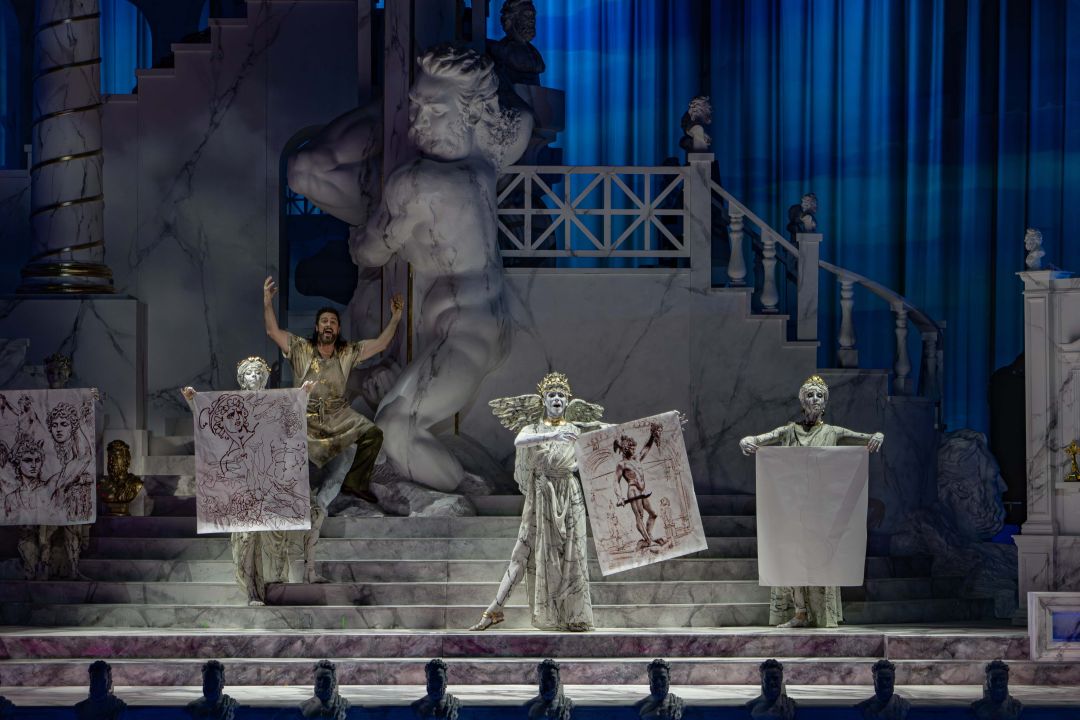
Berlioz’s music combines passion, irony, and heroic drive. How do you balance these elements in your singing without losing spontaneity?
Fortunately, I have already had plenty of experience with this opera. I find that the less I am concerned about the vocal aspects, the more I can concentrate on the dramatic portrayal of this wild and crazy guy. So excited about the upcoming "Carneval" he is already partying in the streets, always joking around, making fun of the surrounding goings on, teasing friends and enemies alike. He soon is seen seducing his girlfriend, convincing her they will escape that next day during Mardi Gras, and run away to beautiful Florence. He is sensual and seductive, quickly upset and outraged at the thought that she could otherwise end up in the arms of his rival, Fieramosca, and still be afraid of being caught there by her father, Balducci who could come home at anytime. He escapes, as he always seems to cleverly be able to do, and they meet that night, where the plan begins to come to fruition. Later that evening, they are all attending a performance in the square, and something goes seriously wrong. He accidentally kills a young man, but in all the confusion, and disguised as a monk, escapes again to his studio. He finds Theresa and his Patron, Ascagne, and tells them the story of how he escaped and found his way there. He wants to leave right away, but is reminded of the statue he has to complete. A romantic but playful duet ensues, Balducci arrives accusing Cellini of abducting his daughter, Fieramosca arrives, and this causes all sorts of chaos and mischief. Then, the Pope himself arrives, accuses him of being a demon, and forces him to finish the commission that evening, or he would chop off his head for all of his crimes. Feeling empowered, Cellini threatens to destroy the entire work, for no one else could ever be entrusted to finish "his" statue. Under all sorts of pressure now to deliver his Perseus and the head of Medusa, he almost retreats into a deep sleep and has a feverish desire just to escape and become a simple shepherd. But, coming to his senses, he miraculously manages to deliver his promise, and it ends happily. Honestly, I'm not sure I've answered your question, but you can see just how involved and incredibly complex this character is. I can say, I feel I have managed it all pretty well.
Cellini is both a brilliant artist and an impulsive man. How did you approach his human side, beyond the historical and legendary figure?
Realizing that this is based on a historical person, he was a notorious lover and murderer, not just one, but also just wanted to have enough money to live freely, away from the noise of the city, and live peacefully and happily in the Tuscan countryside. I must say that I myself, after 32 plus years of traveling, always being under the pressure to give a completely controlled, beautifully sung, not missing any high notes, and sometimes very challenging if not even absurd performances, wouldn't mind the quiet, simple life. Staying at a nice home in a lovely climate, not worrying anymore about the pressures of expectations, whether by others or myself, rigors of travel and constantly being away from home and loved ones, right now in my life is an extremely attractive goal. I realize that I still have a lot of responsibilities to continue to deliver many more performances under the same pressures and expectations, and I dream about and discuss this constantly these days. That is Cellini!
You are renowned for your wide repertoire in both French opera and bel canto. To what extent does Benvenuto Cellini represent a meeting point between these two vocal worlds?
Well, I think I have learned to sing high and light, also loud and heroic, also angrily and passionately, a lot of Rossini which helped a lot with agility and sometimes how to catch a quick breath without losing any time. Early in my career I enjoyed singing French mélodies, and I also sang my first French role, Tonio in LA FILLE DU RÉGIMENT. I moved into other great French roles such as Romeo, Des Grieux, Werther, Hoffmann, dabbled a lot in Meyerbeer, Auber, Bizet and Berlioz, I've learned a great deal about different French styles, continued to keep a lot of Donizetti and Bellini roles in my active repertoire to keep my voice healthy and doing what it can do now. It is by hard work and the grace of God that I am still singing this way.
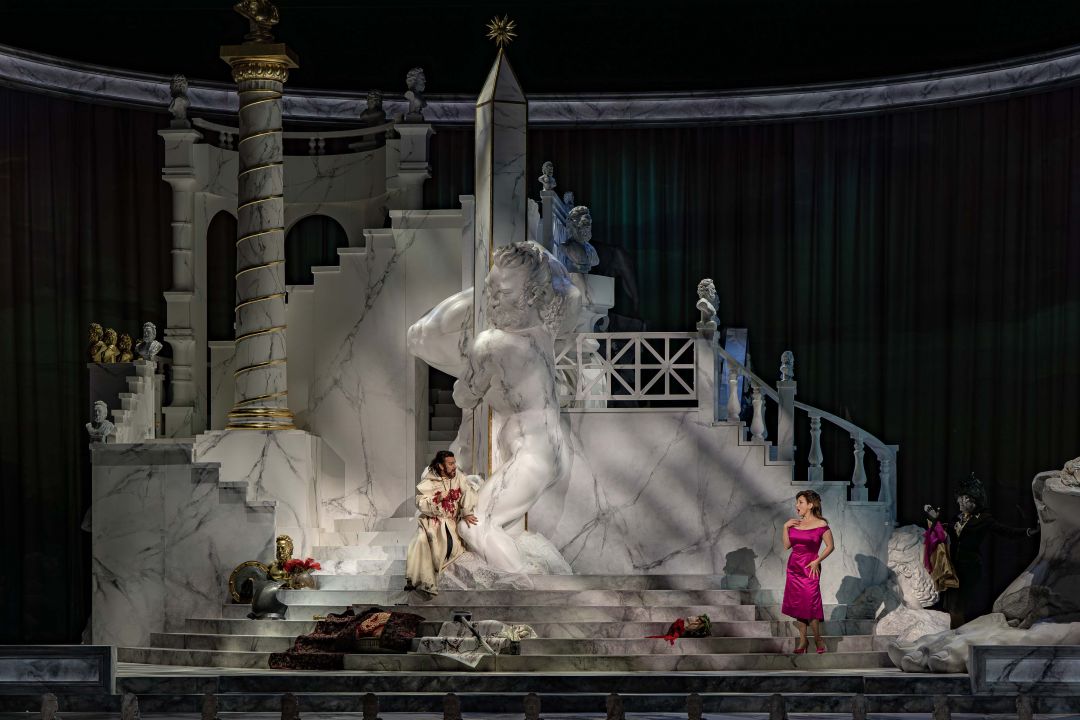
The opera includes large-scale choral scenes, full of energy. What was it like working with conductor Alain Altinoglu and stage director Thaddeus Strassberger on these spectacular moments?
Maestro Altinoglu has always been very attentive to make sure the soloists, amidst all of this constant motion, and sometimes seemingly chaotic scenes, could be heard at all times. I think at the same time, Thaddeus has also done an ingenious job of making sure we also can all be seen and heard. The lighting and video effects are spectacular and serve to shine light on what is important to focus on. The rotating stage can sometimes impede this, but in this case, I never feel like anyone is left in a deep dark corner of no resonance.
After so many interpretations of many roles, what attracts you to the character of Cellini on an artistic and personal level?
As you alluded to earlier, this really is a full embodiment of my entire career's work, enjoying and exploring the whole spectrum of the French lyrical world, and playing a character who will always live in me as a monumental personal achievement. I just love this crazy, complicated artistic character!
In your opinion, what makes Benvenuto Cellini relevant today - what can this rarely performed yet remarkably modern opera still say to audiences of our time?
I feel that the courage that it takes to put on a show and a production of this magnitude is a testament to all that is possible in the creative cultural world. With the right creative and artistic teams, the technical, audio and visual, we should continue to produce such grand works so that the limits of our culture can be realized, recognized and celebrated. Berlioz in this and other works has furnished us with an extraordinary work that combines all the musical and vocal elements with an exciting and almost never predictable score. Audiences will feel the richness of his underscore, the creativeness and poetry of the words, the joys, silliness, the polyphonic complexities of a tasty and juicy story, full of delights, scandals, pain, and triumphant jubilee.
Photos: Simon Van Rompay


